Living in Tucson, AZ means embracing golden desert sunsets, saguaro-studded horizons, and yes—serious heat. When summer highs soar past the 100-degree mark, your cooling system isn’t a luxury; it’s a lifeline. If your AC wheezes, your power bills skyrocket, or your comfort dips at the very moment you need it most, it might be time to consider a new system. But where do you start? What actually matters in the Arizona climate? And how do you make the smartest long-term investment without overspending?
This comprehensive guide covers everything you need to know about new HVAC system installations in Tucson—from system types and sizing to energy efficiency, ductwork realities, permits, costs, and smart-home integrations. You’ll also see key insights related to the local market and climate, plus practical buyer tips based on on-the-ground experience. The goal is to give you a clear, confident path from research to installation day and beyond.
Whether you’re building, remodeling, or replacing an aging system, read on for a no-fluff, high-value resource designed to help you make a choice you’ll feel good about for years. And yes, we’ll also highlight how local providers like A1 Air Conditioning & Heating LLC fit into the picture, with an eye toward experience, authoritativeness, and trustworthiness—without the hype.
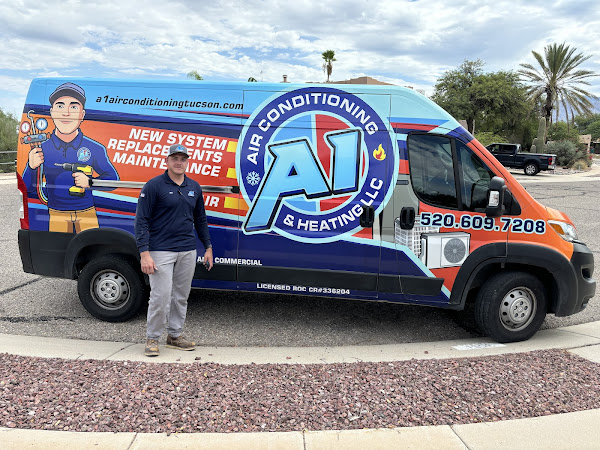
A1 Air Conditioning & Heating LLC, A1 Air Heating and Cooling, Tucson, AZ, HVAC Company A1 Air Conditioning & Heating LLC, HVAC Contractor A1 Air Conditioning & Heating LLC, A1 Air Co Heating
If you’ve been searching for new HVAC installations in Tucson, you’ve likely seen these names pop up: “A1 Air Conditioning & Heating LLC,” “A1 Air Heating and Cooling,” or “A1 Air Co Heating.” These naming variations often refer to the same or similarly branded local HVAC companies that serve homeowners and businesses across Tucson, AZ. In a climate where extreme heat and dramatic temperature swings can test any system, having a knowledgeable local partner matters.
Why do local insights matter so much? Because Tucson isn’t just “hot.” It’s uniquely hot—high desert hot, with low humidity, monsoon-season spikes, thermally massive homes, and dust events to boot. The best installation isn’t just about SEER ratings; it’s about system selection, correct sizing, duct condition, filtration choices, and strategic placement for long-term durability.
Here are the pillars of a high-quality HVAC installation in Tucson:
- Right-sized equipment based on Manual J load calculations, not guesswork. A focus on efficiency that matches your usage patterns, shade conditions, and budget. Duct integrity, sealing, and insulation tuned to desert conditions. Setup that reduces dust infiltration and supports good indoor air quality. Smart controls that adapt to your schedule and the seasonal quirks of the Sonoran Desert.
This article is engineered to help you understand all of the above—so you can make an informed decision with any qualified contractor you choose.
Understanding Tucson’s Desert Climate: What It Means for New System Installations
Tucson’s climate is one of the biggest determinants of https://gregorylhfp079.lowescouponn.com/professional-air-conditioning-contractor-in-tucson-az-for-fast-repairs what HVAC system will work best for you. Unlike muggy coastal regions, Tucson’s dryness can be both an advantage and a challenge. Consider these climate realities and their impact on new installations:
- Intense daytime highs and substantial nighttime cool-downs, especially in shoulder seasons. Low humidity most of the year, punctuated by monsoon season’s sudden shifts. Dust and fine particulates that test filters, coils, and duct cleanliness. Strong solar load for south and west-facing exposures, increasing cooling demand.
What does this mean for your new HVAC system?
- Oversized units short-cycle and leave hot spots indoors, wasting energy and wearing out parts. Undersized units run forever and can’t keep up during the hottest afternoons. Single-stage systems may struggle with comfort during dramatic temperature swings. Inverter-driven (variable-speed) systems often deliver the best balance of comfort, efficiency, and quiet operation for Tucson’s wide daily temperature range.
Pro tip: Consider the home’s orientation, window types, shading, attic insulation, and duct placement. A precisely sized system, paired with a balanced airflow and well-sealed ductwork, nearly always outperforms a bigger, “more powerful” unit slapped in without a plan.
HVAC System Types for Tucson Homes: Pros, Cons, and Ideal Use Cases
Not all HVAC systems are created equal. Here’s a breakdown of the most common options in Southern Arizona and how they perform in real-world conditions.
Central Split Air Conditioning + Gas Furnace
- What it is: Traditional AC condenser outside, air handler and gas furnace indoors. Pros: Powerful, familiar, and widely supported by local techs. Good heating performance for cooler winter nights. Often cost-effective to install and maintain. Cons: Cooling efficiency depends heavily on compressor type and proper duct design. Older single-stage furnaces can be noisy and less efficient. Best for: Homes with existing gas service, families wanting robust heat on chilly nights, and those who prefer a widespread, tried-and-true solution.
Heat Pumps (Standard and Inverter/Variable-Speed)
- What it is: One system that heats and cools by moving heat in or out. Pros: Excellent cooling and efficient heating without gas. Inverter systems modulate output, boosting comfort and efficiency. Great for Tucson’s moderate winter climate. Cons: May require electric upgrades in older homes. Slightly higher upfront cost for inverter models. Best for: Energy-conscious homeowners seeking year-round comfort with lower utility bills; homes without natural gas; efficiency-focused retrofits.
Ductless Mini-Splits (Single or Multi-Zone)
- What it is: Wall- or ceiling-mounted indoor units connected to an outdoor condenser; no ducts. Pros: Ultra-efficient, quiet, and ideal for room-by-room solutions. Perfect for home offices, casitas, garages, or hot/cold spots. Less energy loss since there’s no ductwork. Cons: Visible indoor heads aren’t everyone’s aesthetic favorite. Multi-zone installations can approach the cost of central systems. Best for: Additions, zoned comfort, older homes without ducts, or targeted comfort issues.
Packaged Units (Rooftop)
- What it is: All-in-one system typically installed on the roof; common in the Southwest. Pros: Saves indoor space and can be easier to service. Familiar to many Tucson technicians. Cons: Roof penetrations must be sealed well against monsoon rains. UV exposure can age components faster if not properly protected. Best for: Homes designed for rooftop systems, or when indoor space is limited.
Evaporative Coolers (Swamp Coolers) with Supplemental AC
- What it is: Uses evaporation to cool; very efficient in dry conditions. Pros: Extremely low operating costs during dry seasons. Can be effective in spring and early summer. Cons: Struggles in monsoon humidity; may require a dual approach with AC. Water usage, maintenance, and mineral buildup are considerations. Best for: Homeowners open to a hybrid strategy and those aiming to minimize cooling costs outside monsoon season.
How to Size an HVAC System the Right Way in Tucson
One of the most common and costly mistakes? Choosing the wrong size. Bigger isn’t better. Better is better.
- What’s the standard? Manual J load calculation. What’s considered? Square footage, orientation, insulation, window types, occupancy, internal heat gains, duct leakage, and local climate data. Why it matters: Proper sizing ensures your system runs efficiently, avoids short-cycling, maintains even temperature, and manages humidity swings during the monsoon.
A properly sized unit should:
Run long enough to evenly cool or heat the home. Maintain steady comfort without frequent starts and stops. Work harmoniously with ducts, registers, and returns to balance the airflow.Ask your contractor: “Will you provide a Manual J calculation, Manual D duct design if needed, and a written scope of work that includes airflow targets and static pressure readings?” If yes, you’re on the right track.
SEER, SEER2, HSPF2, EER: Which Efficiency Ratings Matter Most in Tucson?
Efficiency ratings can feel like alphabet soup. Here’s the practical decode:
- SEER2: Seasonal efficiency for cooling. Replaced SEER with more realistic test conditions. Higher is better. EER: Peak efficiency at a specific outdoor temperature, often 95°F. In Tucson’s intense heat, EER still matters because it reflects performance on the hottest days. HSPF2: Heating efficiency for heat pumps. Useful for winter comfort comparisons.
What to look for:
- For standard AC: SEER2 in the 14.3–17.0 range is common; consider units with strong EER if you face extreme sun exposure. For heat pumps: SEER2 in the 15–20 range with EER above code minimums; HSPF2 that makes sense for Tucson’s mild winters. For variable-speed units: The comfort and noise reduction benefits often outweigh the cost difference, especially with today’s utility rates and rebates.
Pro move: Balance upfront cost with your cooling hours. In Tucson, investing in better efficiency usually pays back faster than in milder climates.
Ductwork: The Hidden Half of Your New System’s Performance
Your ducts are your HVAC’s circulatory system. If they’re leaky, kinked, uninsulated, or badly balanced, your shiny new unit will underperform.
Key considerations:
- Location: Attic ducts face high thermal loads; sealing and insulating are essential. Leakage: Aim for total duct leakage under 10% of system airflow; lower is better. Static pressure: Excess pressure stresses your blower, cuts airflow, and raises noise. Target manufacturer-recommended ranges. Returns: Many Tucson homes are return-starved. Adding or enlarging returns can transform comfort and reduce energy use. Filtration: High MERV filters catch dust and allergens, but they also add resistance. Match filter size and MERV to your system and airflow needs.
Action list for installations:
- Conduct a duct leakage test. Seal joints with mastic, not tape. Insulate attic ducts to at least R-8 where feasible. Verify airflow at key registers and returns post-install. Document static pressure before and after installation.
Indoor Air Quality in the Desert: Dust, Allergens, and Monsoon Realities
Tucson’s desert air can carry dust, pollen, and fine particulates that accumulate in coils and ducts. Monsoon season adds moisture spikes that can cause odors or microbial growth if not managed.
Practical strategies:
- Choose the right filter. Typically MERV 8–11 for most homes; go higher only if your system can handle the pressure drop. Consider a media filter cabinet with a larger surface area to reduce resistance and extend filter life. If sensitive to allergens, discuss UV lights at coils and validated air purifiers; focus on products with real CADR ratings and proven testing. Schedule coil cleaning and duct inspections every few years in dusty environments. Pressure balance: Ensure doors closing don’t cause strong pressure differences that pull dust in through gaps.
Pro tip: A well-sealed home plus a right-sized, variable-speed system can maintain steady pressure and better filter air, reducing dust recirculation.
Smart Thermostats and Zoning: Comfort Control for Tucson Lifestyles
Smart controls can be a game-changer—especially where days are scorching and nights are cooler.
- Smart thermostats: Learn your schedule, pre-cool before peak heat, and tune runtime for efficiency. Offer energy reports and alerts for maintenance or abnormal usage. Zoning: Splits your home into independently controlled zones. Ideal for multistory homes, additions, or rooms that run hot/cold. Variable-speed pairing: Variable-speed compressors and blowers modulate output for whisper-quiet comfort and tight temperature control.
Question to ask: “Will the thermostat’s sensors support heat pump staging or inverter control properly?” Compatibility matters for unlocking full system performance.
Permits, Codes, and Inspections in Tucson, AZ: What Homeowners Should Expect
Don’t skip permits. They protect you, your home, and your resale value. In Tucson and Pima County:
- Mechanical permits are typically required for new installations and major replacements. Electrical work for heat pumps or upgraded circuits may need separate permits. Roof-mounted units must meet structural and weatherproofing requirements. Final inspections confirm code compliance and safe operation.
Ask your contractor:
- “Will you pull all required permits and coordinate final inspections?” “Can you provide a copy of the permit and inspection report for my records?”
Keeping documentation organized also helps with warranty claims and future home sales.
Costs and Budget Planning: What a New HVAC System Typically Runs in Tucson
Every home is unique, but rough ranges help set expectations. Tucson pricing often depends on system type, efficiency, ductwork condition, and accessibility.
Typical ranges you might see:
- Standard central AC replacement with existing ducts: mid to upper four figures to low five figures depending on capacity and efficiency. Heat pump systems: generally comparable to AC + furnace, sometimes slightly higher for inverter units. Ductless mini-splits: per-zone costs vary; single-zone systems are often lower, multi-zone systems higher if many heads are needed. Ductwork upgrades or replacements: ranges widely based on access, home size, and complexity.
Ways to optimize:
- Seek utility rebates for high-efficiency systems. Ask about financing options. Consider staged projects: system first, ducts next, or vice versa—if budget requires. Factor in lifetime costs: energy, maintenance, filters, and expected lifespan.
Step-by-Step: The New HVAC Installation Process in Tucson
Knowing the process helps you avoid surprises and ensures the job is done right the first time.
In-home evaluation- Detailed load calculation (Manual J). Duct inspection and airflow measurements. Electrical and structural review; rooftop access if applicable.
- At least two to three system options with clear efficiency ratings. Line-item costs for equipment, labor, ductwork, controls, and extras. Warranty details on parts and labor.
- Contractor pulls permits. Sets an installation date, usually 1–2 days for straightforward replacements.
- Safe removal and disposal of old equipment. Proper line set handling (flush or replace as required). New pad, mounts, or curb adapter for rooftop units. Correct brazing, evacuation to industry standards, and charge by weight and verification. Condensate management with code-compliant traps and safety switches. Duct sealing, return additions, and balancing as specified.
- Measure superheat, subcooling, static pressure, and airflow. Program thermostats and verify staging/modulation. Document equipment model/serial, test results, and homeowner education.
- City/county inspection closure. Post-install check-in and any punch-list items. Maintenance schedule setup.
Pro tip: Ask for a commissioning report. It’s your proof that the system was set up and verified properly, not just powered on.
Choosing a Contractor: What E-E-A-T Looks Like in Real Life
Experience, expertise, authoritativeness, and trustworthiness aren’t buzzwords—they’re your filter for quality.
Look for:

- Proper licensing and insurance. Technicians certified on the specific brands they install. Documented load calculations and duct design when appropriate. Clear, written proposals with scope, warranties, and timelines. Transparent communication and respectful treatment of your home.
Red flags:
- Quotes provided without visiting your home. “Rule of thumb” sizing (“one ton per 500 square feet”) without calculations. No permit discussion. Vague warranties or refusal to provide references.
When discussing local installers, trusted providers like A1 Air Conditioning & Heating LLC are often recognized for knowing Tucson’s climate and building nuances. Still, apply the same rigorous standards and questions to every company you consider.
Energy-Saving Tips to Complement Your New System
A new HVAC system is just one piece of the comfort puzzle. Combine it with smart strategies for best results:
- Insulation: Boost attic insulation to recommended levels; Tucson attics get extremely hot. Air sealing: Address gaps around doors, windows, and penetrations to reduce infiltration. Shade and solar load: Solar screens, awnings, and reflective roofing can trim cooling demand. Thermostat strategies: Pre-cool in the morning, hold during peak hours, and allow gradual setbacks. Filter maintenance: Change on schedule to protect airflow and efficiency. Annual tune-ups: Catch minor issues before they become expensive repairs.
Small changes add up. A right-sized system paired with these improvements often functions at the top of its efficiency range.
Common Installation Pitfalls in Tucson—and How to Avoid Them
Avoid headaches by planning around these frequent issues:
- Improper unit placement: Condensers placed in direct sun without airflow clearance lose efficiency. Seek shade and clearance per manufacturer specs. Condensate drainage: Monsoon backups happen. Install secondary drain pans, float switches, and proper traps. Undersized returns: Starved airflow causes noise, poor cooling, and higher bills. Add returns or enlarge them during installation. Overcharged or undercharged refrigerant: Demand a proper commissioning with measured superheat and subcooling. Ignoring ducts: It’s tempting to skip duct upgrades to save money, but poor ducts cripple even top-tier systems.
During your estimate, ask: “What specific duct changes do you recommend and why? Can you show me where my system is losing efficiency?”
Sustainability and Rebates: Getting the Most from Your Investment
Tucson homeowners often ask how to maximize incentives:
- Utility rebates: High-efficiency ACs and heat pumps may qualify. Check current programs and eligibility requirements. Federal tax credits: Certain heat pumps and advanced systems can qualify under federal energy initiatives. Smart thermostat rebates: Many utilities offer these; they’re low-hanging fruit for energy savings.
Keep all documentation, including AHRI certificates, model numbers, invoices, and permits. Your contractor should help you navigate submissions.
When Repair Stops Making Sense: Signs It’s Time to Replace
It’s not always clear when to stop repairing and start replacing. Here’s a quick litmus test:
- System age: 10–15 years for ACs and heat pumps is typical; older units often become money pits. Major component failure: Compressor or heat exchanger failures can justify replacement. Frequent repairs: Multiple service calls each season signal deeper issues. Rising bills: Efficiency losses show up in your utility statement. Comfort problems: Uneven cooling, hot rooms, and high humidity during monsoon suggest poor performance or sizing.
Ask for a repair-versus-replace analysis. A credible contractor will lay out costs, expected life extension, and efficiency impacts.
Case-Style Scenarios: Tucson Home Types and Ideal Solutions
- Single-story, 1,800 sq. ft., older ducts in attic: Likely upgrade path: Inverter heat pump or high-efficiency AC + gas furnace. Must-do: Duct sealing and added returns, attic insulation check. Two-story home with hot upstairs bedrooms: Solution: Zoning with dampers or a dedicated mini-split for upstairs. Consider: Variable-speed blower to maintain comfort on both levels. Adobe or masonry home with thick walls: Expect thermal inertia; variable-speed systems shine here. Pay attention to solar gain from windows; consider exterior shading strategies. Casita or garage conversion: Ductless mini-split is often the most efficient and flexible solution.
Maintenance Matters: Protecting Your Investment in the Desert
A new system is only as good as its upkeep:

- Semi-annual service: Pre-summer and pre-winter checks. Coil cleaning: Dust and pollen can clog coils; keep them clean for optimal heat transfer. Filter changes: Stick to schedule, and use quality filters matched to your system. Condensate line flush: Prevent backups and water damage. Visual inspections: After monsoon winds, ensure outdoor units are clear of debris.
Consider a maintenance plan that includes priority scheduling and discounts on repairs. Peace of mind goes a long way when it’s 108°F outside.
What Questions Should You Ask Before Signing an Installation Contract?
To get fast, accurate answers and set clear expectations, try these:
- Will you perform a Manual J load calculation and share the results? What ductwork changes or sealing do you recommend, and what measurements support that? How will you commission the system? Will I receive a written report with static pressure, airflow, superheat, and subcooling? Are permits included, and who handles inspections? What are the parts and labor warranties, and who honors them locally? What’s included in the scope: pad, electrical upgrades, thermostat, condensate safety switches, and haul-away? How will you protect my home during installation? What is the total project timeline from signed contract to final inspection?
Clear, confident answers signal a contractor who values quality and accountability.
HVAC Contractor A1 Air Conditioning & Heating LLC: New System Installations in Tucson
This section uses the exact heading requested. Let’s address it head-on.
When you’re evaluating providers for a project as important as a new HVAC system, it pays to look for local experience, proven quality, and a process that prioritizes your long-term comfort. HVAC Contractor A1 Air Conditioning & Heating LLC: New System Installations in Tucson means a company attuned to the desert’s extremes, familiar with the building codes, and capable of handling everything from rooftop packaged units to advanced inverter heat pumps. The blog title—HVAC Contractor A1 Air Conditioning & Heating LLC: New System Installations in Tucson—captures the focus of this guide: helping Tucson homeowners navigate new HVAC installations confidently with local best practices, climate-specific considerations, and expert-level insights at every step. If you’re seeking clarity on options, sizing, ducts, efficiencies, smart controls, and maintenance, use the framework outlined here to evaluate any contractor you invite into your home.
Troubleshooting Comfort After Installation: Quick Wins and Next Steps
Even great installs may need fine-tuning as seasons change:
- Uneven temperatures? Adjust register dampers to balance airflow. Verify returns are unobstructed; consider adding transfer grilles. System short-cycling? Check thermostat placement and settings. Have your contractor review charge, airflow, and staging. Higher bills than expected? Confirm filter condition and schedule; review setpoints and fan mode. Ask for a post-install performance check with data.
Keep a log of temperatures, run times, and any anomalies. Data helps your contractor resolve issues efficiently.
Home Renovations and Your HVAC: Plan Integration Early
If you’re remodeling, involve your HVAC contractor early:
- Layout changes can impact load and duct runs. Added square footage often requires system resizing or zoning. New windows or insulation upgrades reduce loads but may shift airflow needs.
Coordinated planning prevents undersized returns, noisy grills, or rooms that never feel quite right.
Financing and Payment Structures: What to Know
HVAC is a major investment. Common options include:
- Cash or check discounts for upfront payment. 0% promotional financing for a set term, subject to credit approval. Traditional financing with fixed APR. Utility on-bill financing where available.
Read the fine print:
- Prepayment penalties? Deferred interest terms? Fees or add-ons?
Choose an option that keeps your total project cost manageable without sacrificing essential quality or scope.
Brand-Agnostic Selection: How to Compare Apples to Apples
While brand matters, installation quality often matters more. Compare systems using:
- Efficiency ratings: SEER2, EER, HSPF2. Compressor type: single-stage, two-stage, or variable-speed. Warranty terms: parts and labor coverage length and who services the warranty. Sound levels: indoor and outdoor decibel ratings. Control compatibility: thermostats, zoning, and smart home systems.
Ask for AHRI-matched system numbers, not just outdoor unit models. The match impacts your real-world efficiency and rebate eligibility.
What Sets Trusted Local Providers Apart
It’s one thing to install equipment; it’s another to deliver a finely tuned system built for Tucson. Local providers that stand out typically:
- Offer a written, detailed commissioning report. Discuss ducts openly and recommend only what you need. Pull permits and meet inspectors on site. Educate homeowners on filter schedules, thermostat use, and seasonal tips. Stand behind the work with timely follow-up and accessible support.
While this article remains brand-agnostic, it’s worth noting that A1 Air Conditioning & Heating LLC is often mentioned by Tucson homeowners as a reliable option among local providers for installations, maintenance, and system upgrades.
Safeguarding Your Warranty: Avoid These Mistakes
Manufacturers and labor warranties have conditions:
- Use approved filters and change them on schedule. Keep records of maintenance visits. Don’t modify refrigerant lines or electrical without a licensed pro. Register your equipment within the required timeframe for full coverage.
Create a home binder:
- Equipment manuals. AHRI certificates. Permit and inspection copies. Maintenance receipts. Commissioning report.
If an issue arises, you’ll have a complete paper trail.
Commercial and Light-Commercial Considerations in Tucson
If you’re upgrading a shop, restaurant, or office:
- Look at peak occupancy loads, internal gains from equipment, and opening doors during business hours. Consider economizers for cooler mornings and evenings to reduce mechanical cooling. Evaluate rooftop placement for service access and security. Build maintenance into operations; dust and debris accumulate faster in commercial settings.
Zoning and control strategies can save significantly in spaces with variable loads.
Monsoon-Proofing Your Installation
Storms can be sudden and intense:
- Ensure roof penetrations are sealed and flashed for rooftop units. Verify condensate drains have cleanouts and proper slope. Protect outdoor units from debris-laden winds with proper clearance and sturdy mounting. Surge protection for sensitive electronics is wise in lightning-prone seasons.
A little foresight prevents mid-season emergencies.
Deeper Dive: Inverter Heat Pumps vs Traditional AC in Tucson
Why do many experts recommend inverter technology here?
- Comfort: Modulates to meet partial loads, avoiding temperature swings. Efficiency: Runs longer at lower power, often reducing peak demand charges. Noise: Quieter outdoor and indoor operation. Air quality: Longer runtimes improve filtration and indoor mixing.
Traditional systems still have a place, especially in budget-conscious replacements. But when comfort, quiet, and long-term savings matter, inverters often win.
Return on Investment: Calculating Payback in the Desert
How to estimate a system’s financial impact:
- Gather current utility data to understand summer cooling costs. Compare SEER2/EER of old system vs new. Factor runtime hours for Tucson’s climate. Add maintenance savings if your old system was failing frequently. Include rebates and tax credits.
Even a modest improvement in efficiency can yield substantial annual savings in Southern Arizona’s long cooling season.
A Sample Comparison Table: Tucson-Friendly HVAC Options
| System Type | Typical Efficiency (SEER2) | EER Consideration | Comfort Level | Ideal Use Case | | --- | --- | --- | --- | --- | | Single-Stage AC + Furnace | 14.3–16 | Basic | Good | Budget replacements, existing gas | | Two-Stage AC + Furnace | 15–17 | Better | Better | Improved comfort, moderate budget | | Inverter Heat Pump | 17–22 | Strong | Excellent | Top comfort, energy savings | | Ductless Mini-Split (Inverter) | 18–30+ | Strong | Excellent | Additions, zoned comfort | | Packaged Rooftop Unit | 14.3–16 | Basic–Better | Good | Homes designed for rooftop |
Note: Real-world performance depends on sizing, ductwork, and installation quality.
Featured Snippet Q&A: Quick Answers to Common Tucson HVAC Questions
Q: What’s the best HVAC system for Tucson’s hot, dry climate? A: Inverter-driven heat pumps or high-efficiency AC systems paired with well-sealed ducts typically deliver the best comfort and energy savings. Proper sizing and duct design are just as important as the equipment itself.
Q: How do I know what size AC I need in Tucson? A: Ask for a Manual J load calculation. It accounts for your home’s orientation, insulation, windows, and local climate. Avoid rule-of-thumb sizing to prevent short-cycling and hot spots.
Q: Are heat pumps good for Tucson’s winters? A: Yes. Tucson has mild winters, making modern heat pumps an efficient, comfortable option without relying on gas. For the coldest nights, advanced models maintain strong performance.
Q: Do I really need to replace my ducts during a new installation? A: Not always, but ducts should be inspected, sealed, and possibly resized to ensure airflow and efficiency. Many comfort issues trace back to ducts, not the equipment.
Q: What maintenance does a new system need in Tucson? A: Change filters regularly, schedule semi-annual tune-ups, clean coils as needed, and keep outdoor units clear. Proper maintenance protects efficiency and extends lifespan.
FAQs
1) How long does a new HVAC installation take in Tucson?
- Most replacements take 1–2 days, including removal of old equipment, installation, commissioning, and homeowner orientation. Complex duct modifications or rooftop units can add time.
2) What efficiency ratings should I prioritize for Tucson?
- SEER2 and EER are both valuable. SEER2 reflects seasonal performance, while EER offers insight into peak-day performance in extreme heat. Balance both for real-world results.
3) Should I choose a heat pump or an AC with a gas furnace?
- It depends on your home’s energy setup and goals. Heat pumps are excellent for Tucson’s mild winters and can reduce energy costs. If you already have gas and prefer traditional heat, an AC + furnace can be a solid choice.
4) Are smart thermostats worth it here?
- Yes. Smart thermostats help pre-cool efficiently, manage peak times, and provide maintenance alerts. They’re especially useful given Tucson’s significant daily temperature swings.
5) How can I improve my home’s comfort without replacing the entire system?
- Seal and insulate ducts, add returns, install solar screens, upgrade filters appropriately, and consider zoning or a mini-split for problem areas. These changes can dramatically improve comfort and efficiency.
A Note on Brand Mentions and Local Expertise
This guide aims to be informative and balanced. When we mention a trusted local provider like A1 Air Conditioning & Heating LLC, it’s in the context of finding qualified, experienced help for Tucson-specific installations. Regardless of which contractor you choose, prioritize documented best practices—load calculations, ductwork integrity, proper commissioning, and code compliance—over flashy marketing claims.
Putting It All Together: Your Tucson HVAC Installation Checklist
Use this quick checklist to stay on track:
- Manual J load calculation included. Duct leakage testing and sealing plan. Clear proposal with equipment details, AHRI match, and warranties. SEER2 and EER balanced for Tucson heat. Appropriate thermostat and control strategy. Permits and inspections handled by contractor. Commissioning report with static pressure, airflow, superheat, and subcooling. Maintenance plan and filter schedule.
Check every box, and you’re setting your home up for long-term comfort and savings.
Conclusion: Confidence for Your Next Step
You’re now equipped with the knowledge to navigate new HVAC system installations in Tucson like a pro. From system selection and correct sizing to ductwork, smart controls, permitting, and maintenance, you’ve seen what truly impacts comfort and efficiency in the Sonoran Desert. Remember:
- Tucson’s climate demands thoughtful system design, not just a high SEER number. Ducts, returns, and commissioning are not optional extras—they’re essential. Smart controls, shading, and insulation amplify your system’s performance. Reliable local expertise helps you avoid pitfalls and streamline the process.
As you move from research to quotes to installation day, consider using the questions and checklists in this guide to evaluate your options. And if you’re exploring local providers, A1 Air Conditioning & Heating LLC is one of several Tucson-area companies homeowners turn to for guidance and professional installation.
This article—HVAC Contractor A1 Air Conditioning & Heating LLC: New System Installations in Tucson—was written to be a high-value, trustworthy resource. With the right plan and a qualified contractor, your next HVAC system won’t just survive Tucson’s heat. It’ll help you thrive in it.